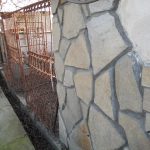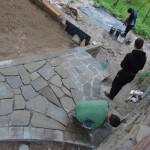
If an individual gneiss paving or cladding slab needs replacement, perhaps because a frequently used outdoor surface shows wear, the following stages outline the work involved.
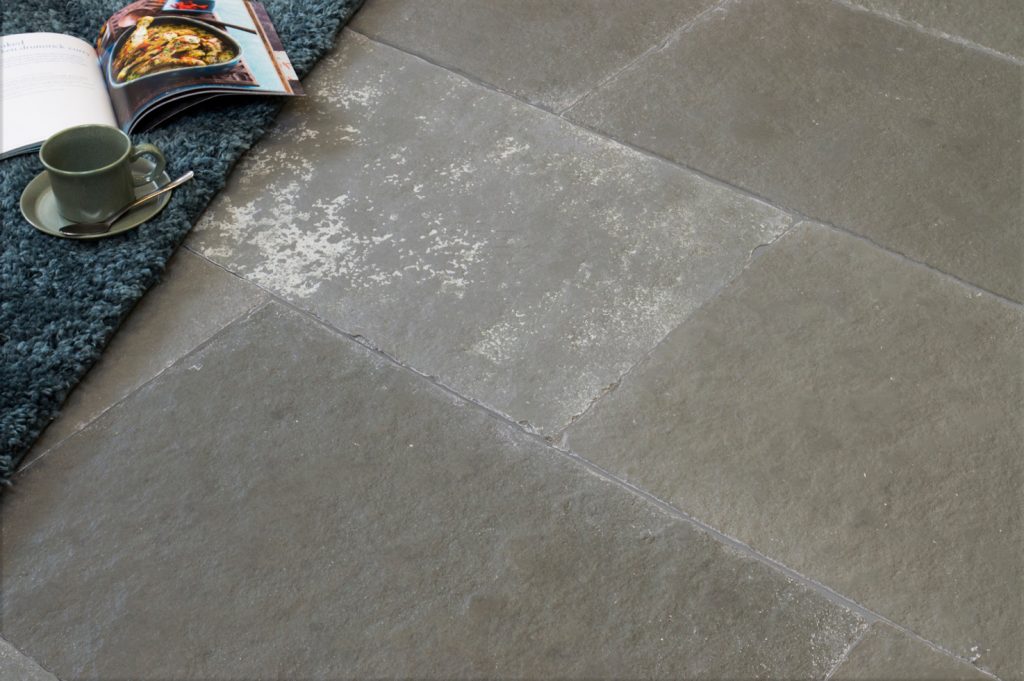
Choose a replacement slab first
Select a sound piece with compatible thickness and shape. Irregular stone needs more careful fitting, and the joint width must remain within the permitted range of the chosen system.
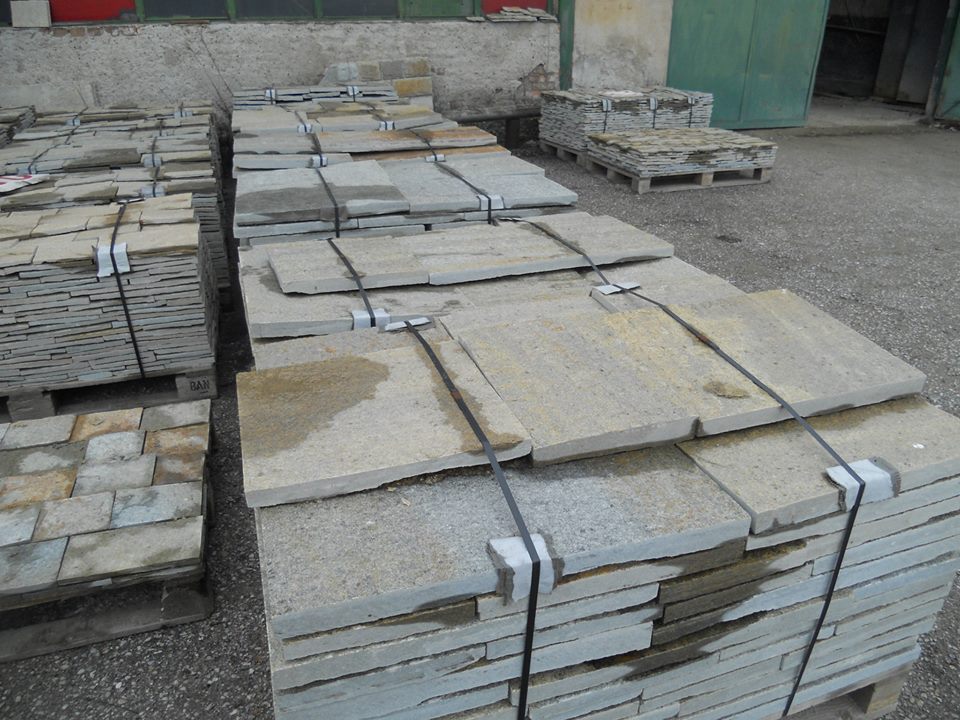
Remove the joint material around the slab
Carefully clear the surrounding grout so that the old slab can be lifted. Work slowly to avoid scratching or chipping adjoining stones. A suitable blade or chisel may be used.
Remove the damaged slab
Remove a loose slab in a controlled way without damaging neighbouring stones or the substrate. Wall cladding, heavy pieces or any falling risk require a specialist and a secured work area.
Clean beneath the slab
Remove old adhesive and weak areas back to a sound substrate without damaging waterproofing. Clear the dust and investigate the cause of detachment before installing the replacement.
Trial-fit before bonding
Check the new slab in position first. A slightly smaller piece may fit, but should not leave a conspicuously different joint. If a larger piece needs trimming, a specialist can cut it to suit the opening.
For a larger refurbishment or new installation, Balkan Construct provides stone cladding and paving. Fixing adhesive and joint grout serve different purposes.
Apply new bonding material
Once the replacement fits, apply the bonding material evenly to the prepared area. Apply the specified material to the back of the slab too, as required for a sound bond.
Place the new slab
Position the slab and press it gently into place. Remove excess bonding material displaced around the edges.
Grout after the required curing time
Wait for the period specified for the particular adhesive and working conditions. Use compatible grout, an appropriate tool and protective gloves. Do not apply building mixtures with an unprotected hand.
After repair, observe the waiting time before loading the surface. Recurring loosening or cracking calls for investigation of the base, drainage and installation system, rather than repeated replacement of individual slabs alone.
Request a quote
For a stone cladding or paving installation, send us details of your project, its location and approximate area. We will discuss the preparation needed and the scope of work.