Stone is increasingly used in Bulgarian homes, particularly outdoors. This durable material offers many possibilities, bringing natural beauty and a reminder of traditional rural life. Here are some ideas for a trough beneath the tap in your garden.
Why a trough is useful
A trough is a practical part of a garden tap: it catches the water and helps prevent the surrounding ground from becoming muddy. In summer, it can be used to chill drinks or watermelons, or to soak and wash items. This is why taps in traditional Bulgarian courtyards were normally fitted with troughs. You can also see them beneath public drinking fountains in mountain towns such as Sopot, where spring water refreshes visitors on hot summer days. These stone fountains are memorable features, and visitors often stop beside them for a photograph.
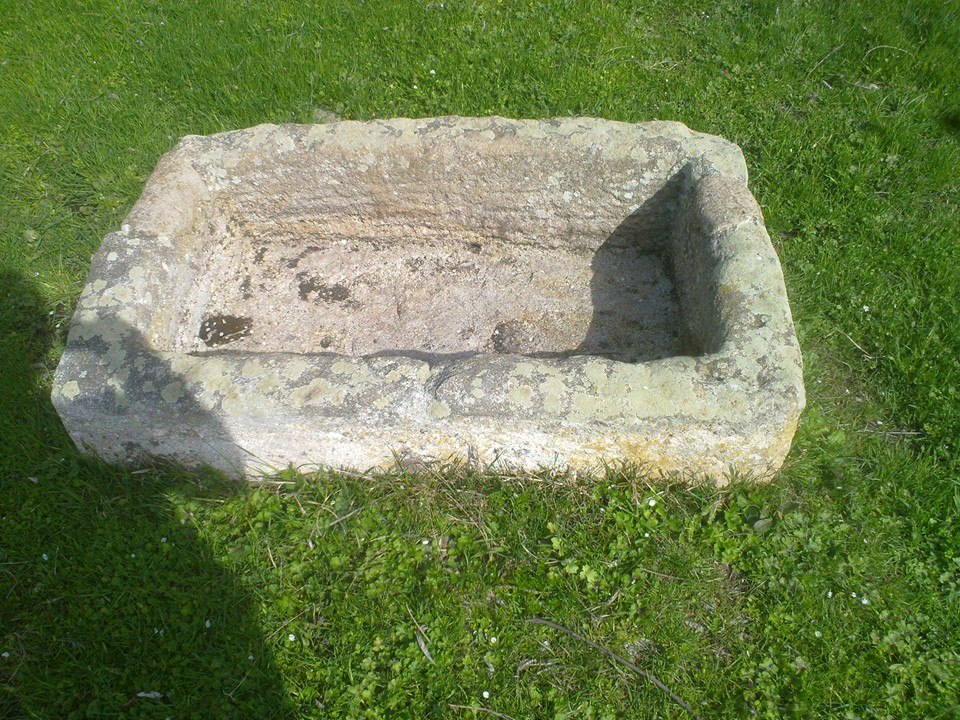
Choosing the material
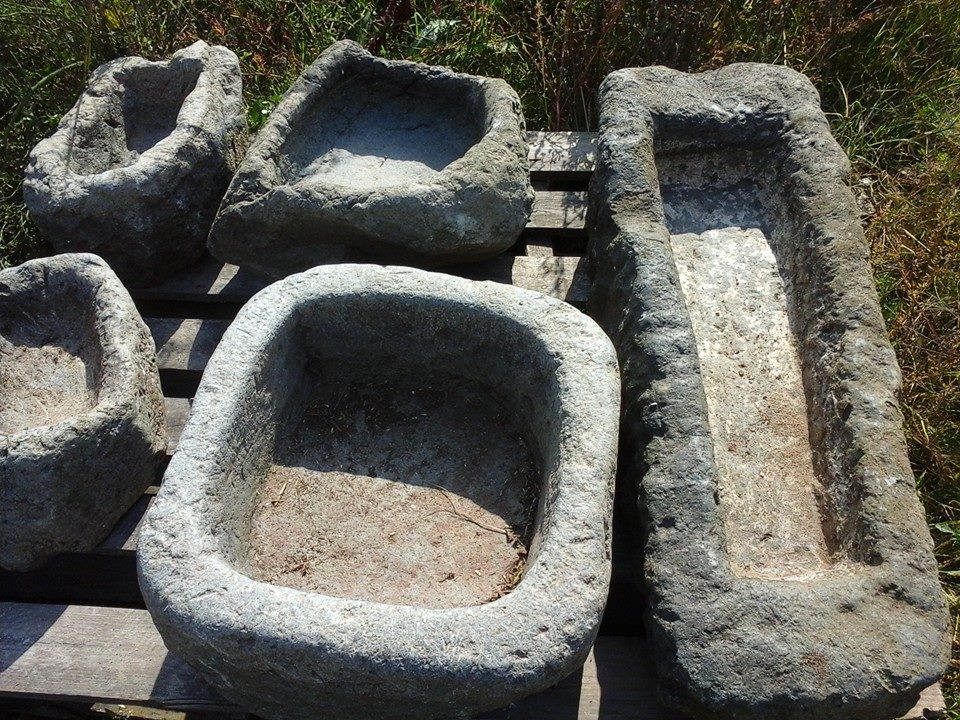
The material needs to be both durable and attractive. Hewn gneiss is one option. Its golden-beige and silver-grey colours can be coordinated with other features in your garden.
When choosing a trough, check the condition of the stone, look for cracks and confirm that it is suitable for outdoor use. Its properties depend on the particular material; the name “gneiss” alone is not a guarantee.
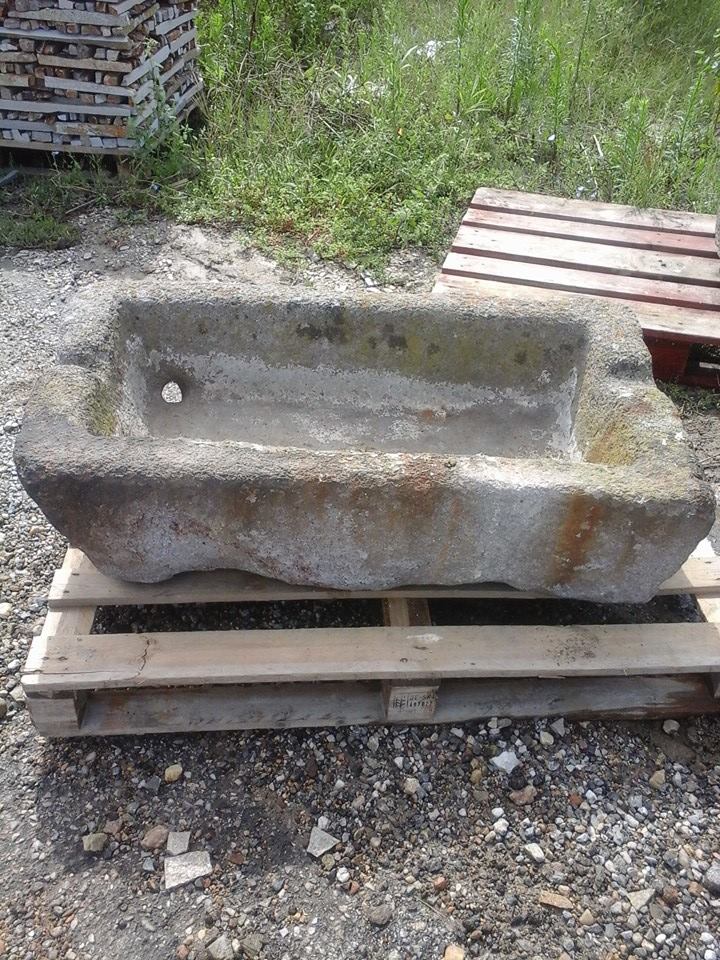
The shape of the trough
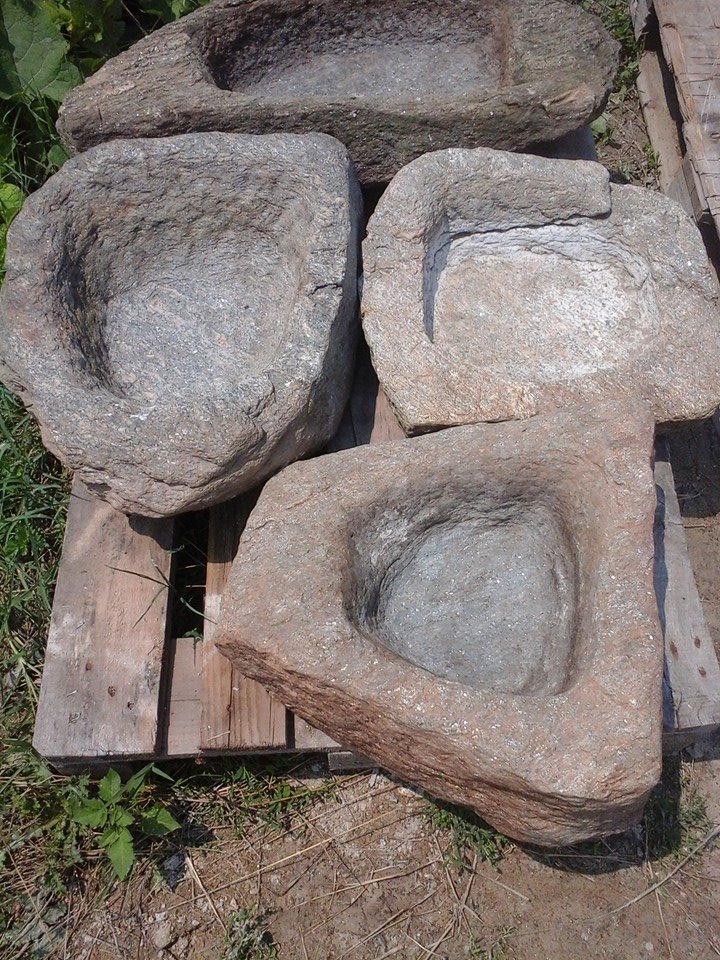
The shape depends on the space available and the size you prefer.
Rectangular troughs were traditionally favoured because they provided more room for washing and watering livestock. Other options include square, oval and semicircular shapes.
Additional stonework around the trough
Sawn gneiss cladding can make the trough’s surround more distinctive. To create a complete seating area beside the tap, you could add stone benches, a table and a fire pit. It could become a favourite family spot in summer.
Balkan Construct offers stone cladding and paving for the area around a garden tap. For stone sinks and troughs, we install ready-made items; we do not manufacture them.
For a more unusual design, the trough can be raised on one or two courses of gneiss. The courses can form a stepped arrangement, with the hollowed stone trough as the uppermost element.
Draining the water
Drainage must take account of the trough’s existing openings, the position of the waste outlet and the planned route for the water. Any drilling should be commissioned only after the item has been assessed, to avoid damaging the stone.
Where there is no convenient connection to a drain, the solution should suit the ground conditions and how the tap will be used, keeping water away from foundations and walking routes.
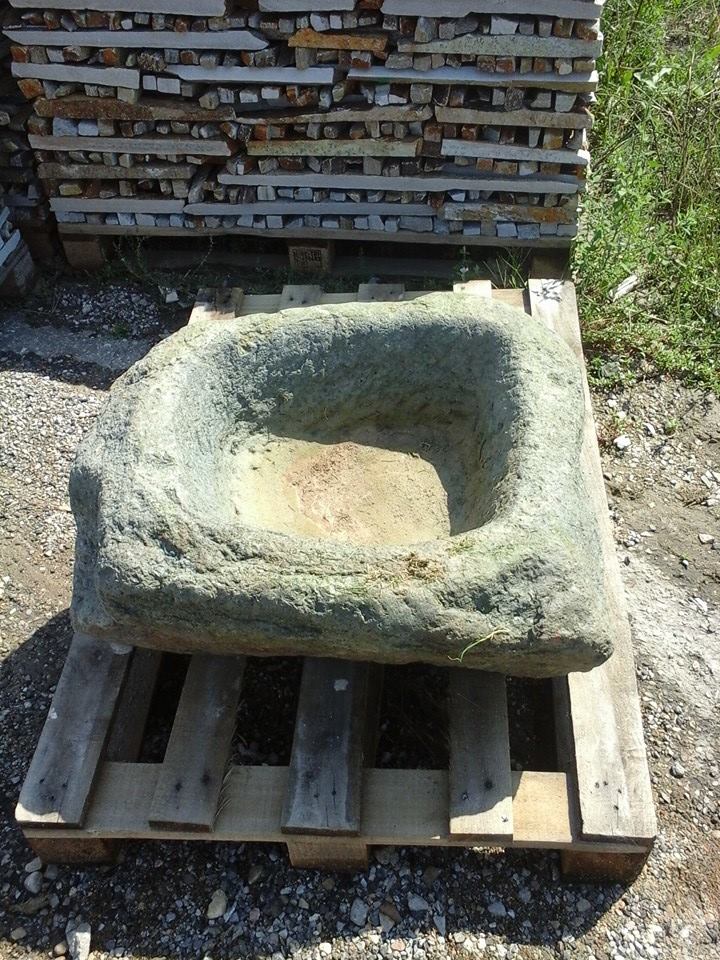
Bringing the tap and trough into one design
For a coordinated appearance, a border of natural gneiss can be added around the tap’s base and along the upper edge of the trough.
Request a quote
We would be pleased to discuss your ideas and answer your questions. Send us an inquiry so we can talk about your project and how it could be carried out.