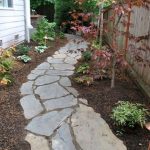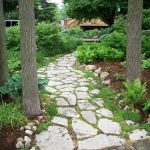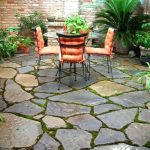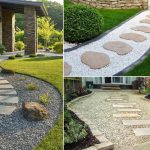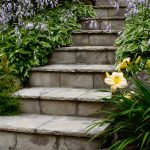
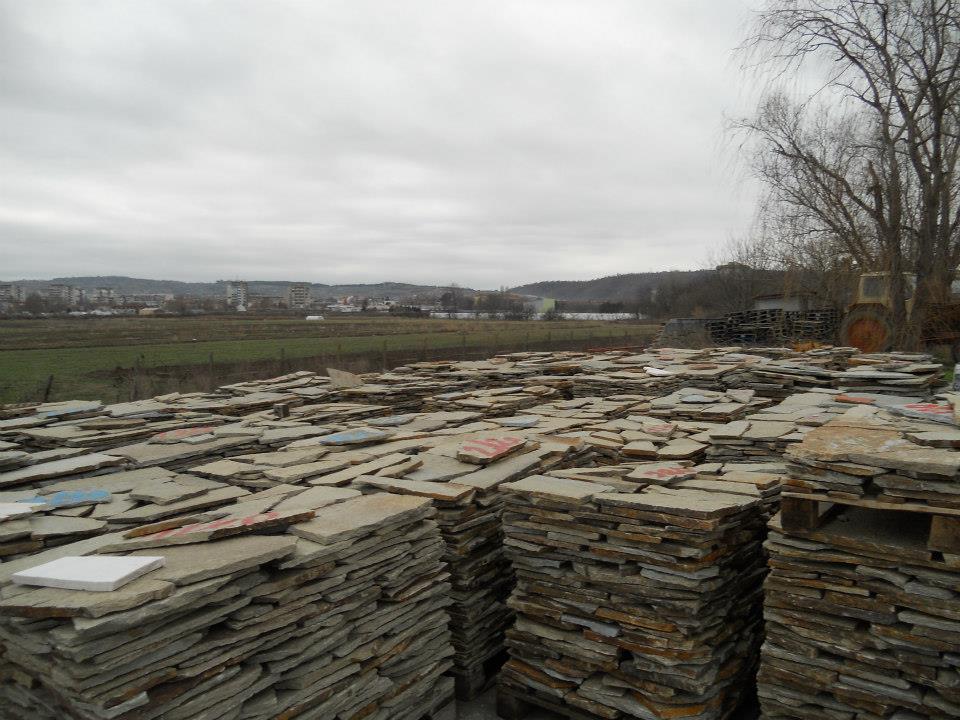
A garden path offers more than convenient access: it can also introduce an original feature to the exterior. Gneiss paving can form a decorative route through a courtyard or garden. Irregular slabs help capture the appearance of traditional stone paths.
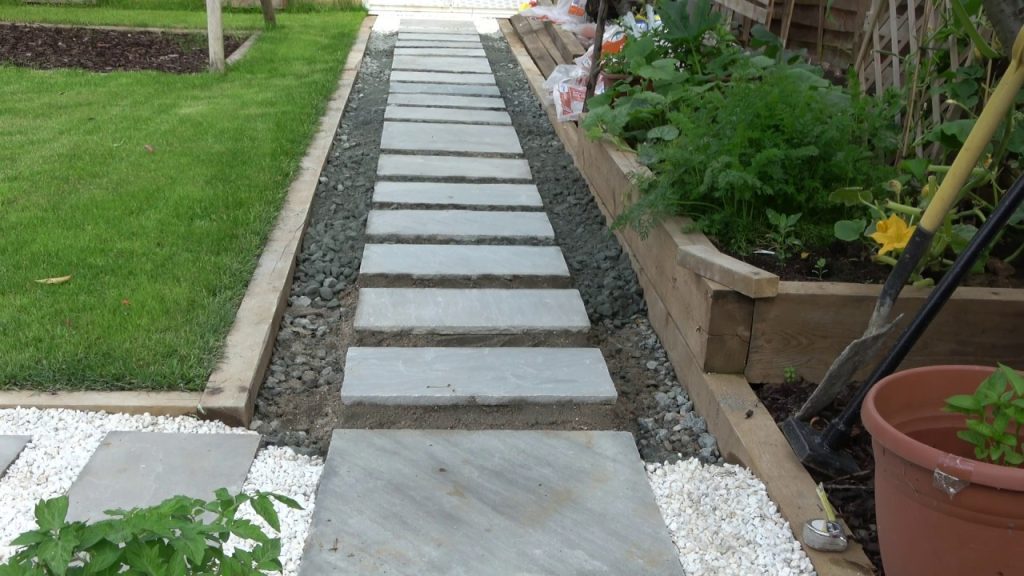
Materials you will need
Alongside enough gneiss slabs for the required stepping stones, prepare sufficient gravel for the path base.
Have materials ready to mark the edges of the gravelled area. Boards or string stretched between pegs can define the boundaries.
Choose the laying system for the particular slabs and base. A cement-to-sand ratio of 1:5 is not a universal recipe for fixing stone over every gravel layer.
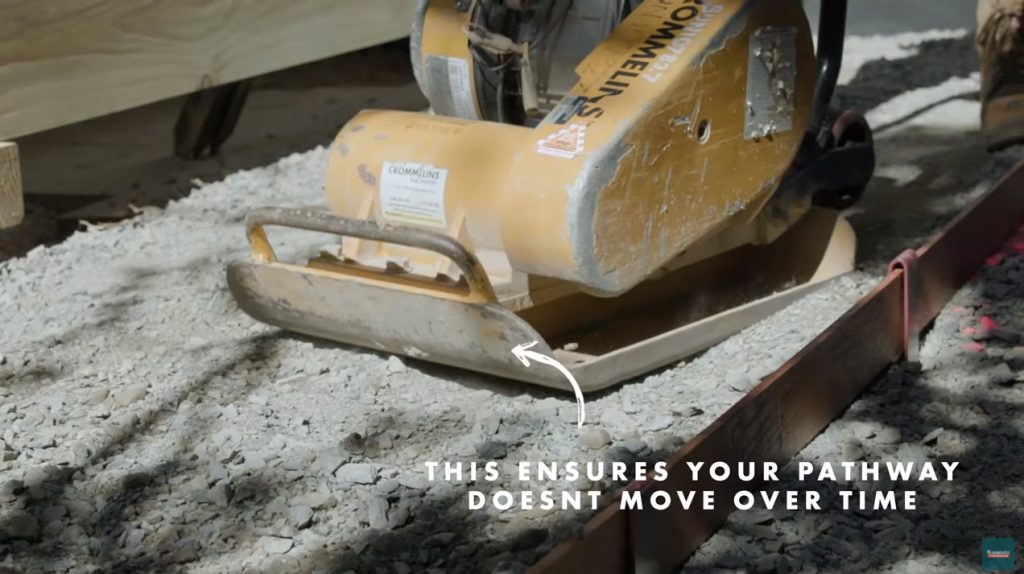
A suitable compaction machine will be needed or hired to compact the gravel. Compaction creates an even layer for the slabs to be laid above.
Gneiss for paving
Choose enough slabs with dimensions and thickness suited to the laying method. Golden beige and silver grey create different decorative effects, but colour does not determine load capacity.
Mark the edges of the gravelled area
Mark out the path boundaries using boards, stretched string or marking spray, which can be the quickest option.
During new house construction, coordinate the path route and levels with entrances and the ground layout.
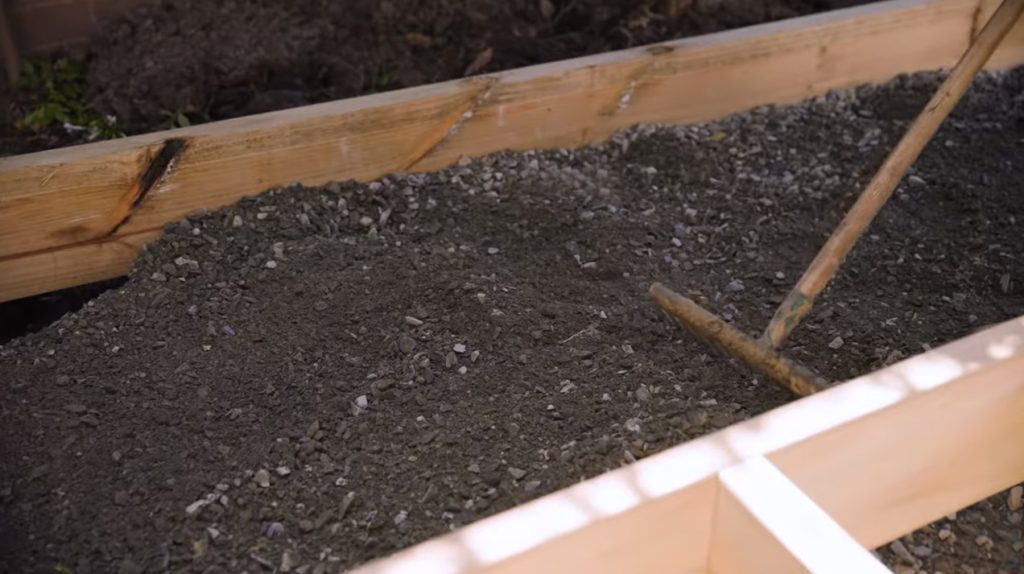
Placing and compacting the gravel
The base material, thickness and compaction depend on the site and loading. An arbitrarily thick gravel layer should not be assumed suitable for every slab.
Arrange machine hire in advance so that work can continue once the gravel is placed.
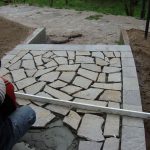
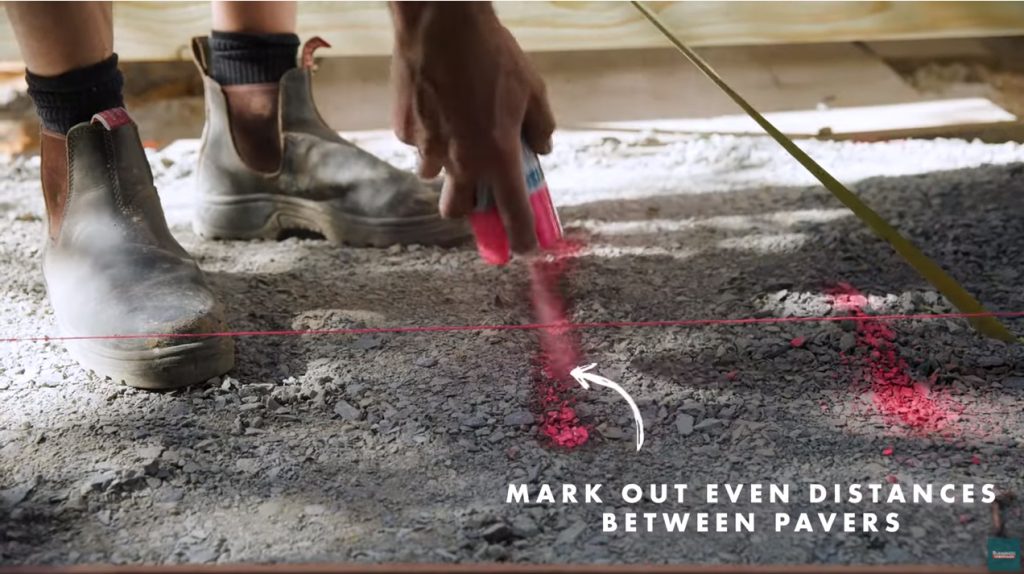
Marking the gneiss slab positions
Find an appropriate position for each irregular slab, aiming for the character of traditional natural stone paths. Mark the outline or corners in a convenient way so that each slab can be returned quickly to its position after the bedding material is applied. Aim for even spacing between the stepping stones.
Balkan Construct provides stone cladding and paving for garden paths, with base preparation and fitting to suit the chosen solution.
Preparing the bonding layer
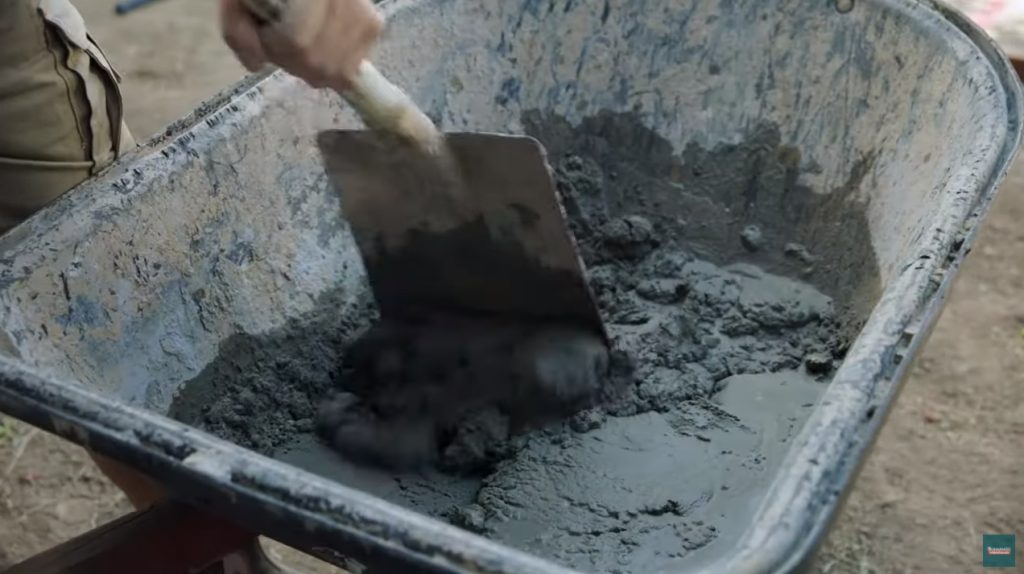
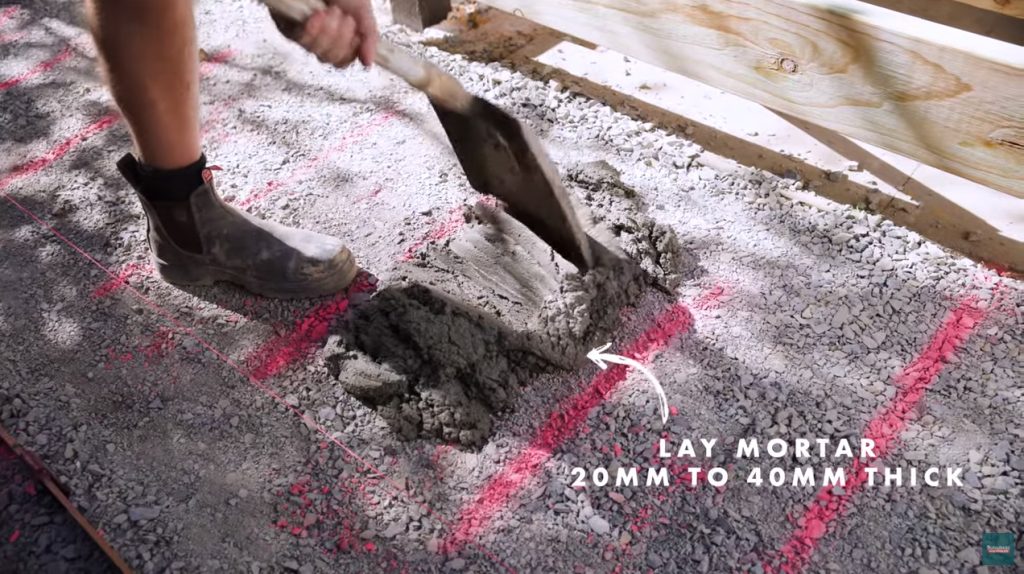
Prepare the cement-and-sand bedding material in a bucket or, more conveniently, a wheelbarrow. This lets you move it along the path and take the amount needed beneath each irregular slab.
Laying the gneiss slabs
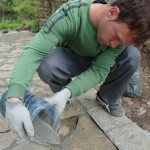
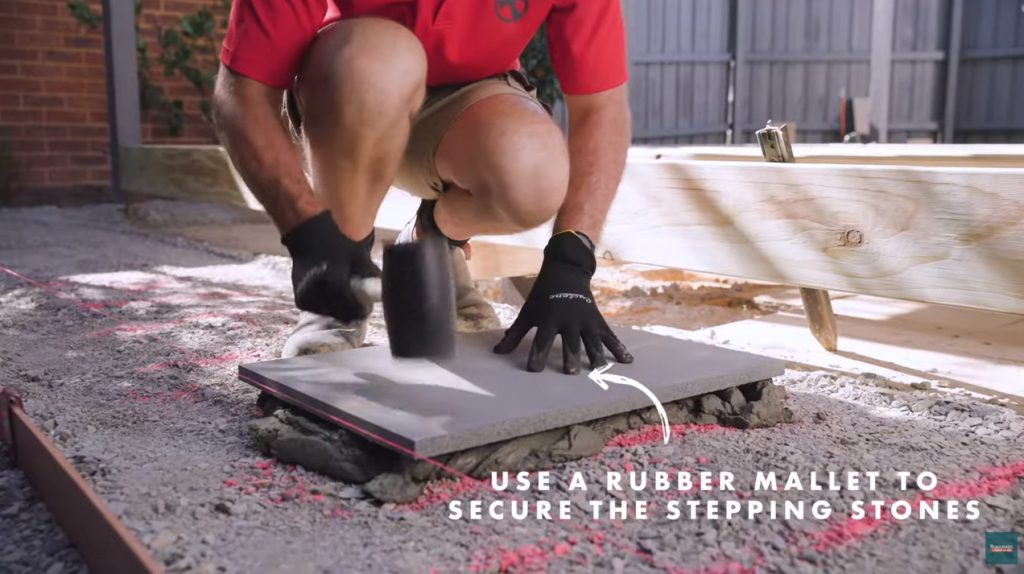
After applying the bedding mix, position the gneiss slab using the marks as a guide. Tap it into place with a wooden mallet.
Allow sufficient time before using the path
After laying, observe the chosen system’s waiting time before loading, according to the materials and conditions. Waiting 24 hours is not a general guarantee that the path is ready.
A gneiss slab path can be durable and straightforward to maintain, providing a distinctive feature for your garden.
Request a quote
For a stone cladding or paving installation, send us details of your project, its location and approximate area. We will discuss the preparation needed and the scope of work.