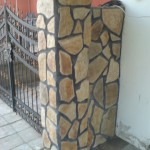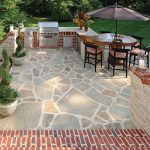
Straightforward cleaning is one of the attractions of gneiss paving, alongside its durability and the two familiar colours of Ivaylovgrad gneiss. Suitable gneiss can withstand low temperatures and be used outdoors.
Correct installation contributes to easier maintenance. Careful laying helps avoid unevenness and reduce slipping risks. An appropriate impregnating treatment can also limit soiling. Even so, spills are best blotted up immediately.
Regular cleaning removes dust and small particles of everyday debris. External gneiss paving can also be kept clean with regular washing where appropriate.
Protective treatment for gneiss paving
Specialists can recommend a suitable impregnating product and apply it correctly. Before repeat treatment, the paving needs thorough cleaning.
A suitable treatment may reduce absorption and soiling, but does not guarantee freedom from mould, mildew or every stain.
Ask the specialist how often the particular surface needs retreatment to maintain protection.
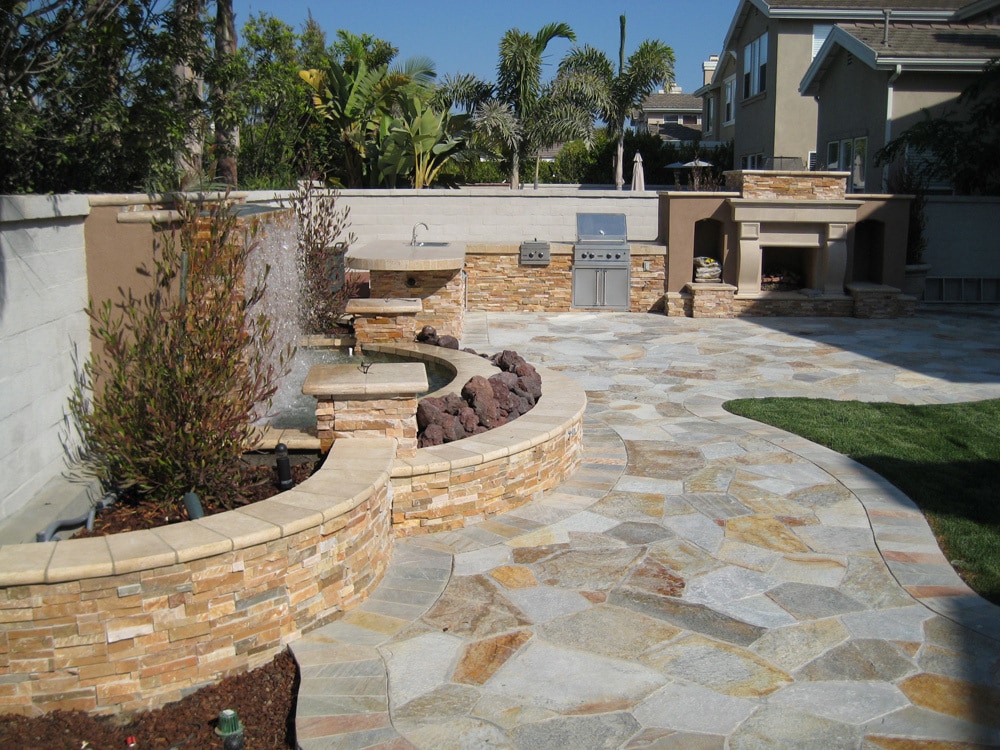
Wait until the stone and joints are ready
The right treatment time depends on residual moisture, installation materials and the chosen product. Four weeks is not a universal waiting period; follow the technical instructions for the particular system.
Dry cleaning
Use a soft broom or mop to remove grit and other particles that could scratch the surface.
When planning stone cladding and paving, establish compatible maintenance products at the material selection stage.
Washing gneiss paving
Check water absorption for the particular stone. Avoid saturating the construction when washing. Use a pressure washer only at a suitable pressure and with an appropriate method, without damaging the joints.
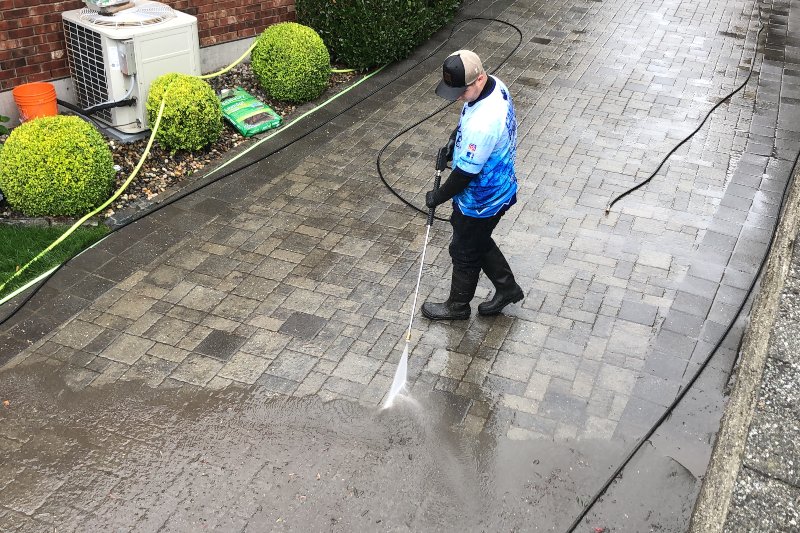
Choose suitable cleaning products for dirty paving
Specialist products are available for heavily soiled gneiss. Read the instructions carefully and follow them precisely.
Typically, the required quantity is applied and, where specified, worked into the surface using a cloth or brush. Leave it for the stated contact time, then dry or rinse the surface as directed.
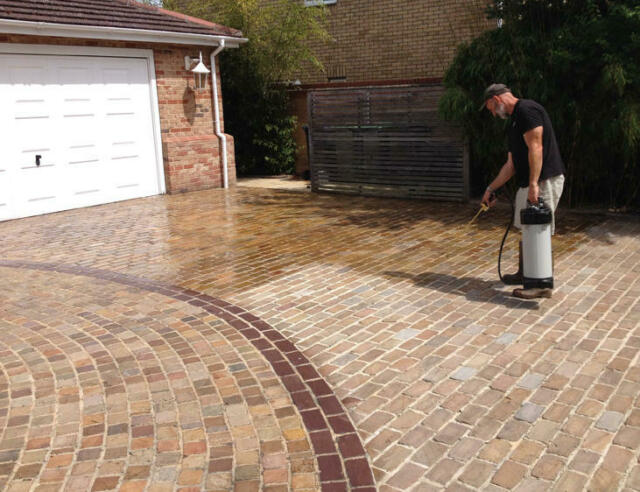
Household remedies such as bicarbonate of soda
For grease and other stains, choose a product suited to the stone and protective coating. Do not apply bicarbonate of soda or a homemade mixture for a fixed 15 minutes without testing and confirming compatibility.
Avoid unnecessary risks to the paving
Even strong stone with a protected surface needs appropriate care. Blot up acidic drinks immediately and clean with a compatible product.
Avoid placing hot pans directly on outdoor gneiss paving. Use a heat-resistant stand beneath them.
Regular cleaning, together with care to avoid scratching or damaging the protective treatment, helps gneiss retain an attractive appearance over time.
Request a quote
For a stone cladding or paving installation, send us details of your project, its location and approximate area. We will discuss the preparation needed and the scope of work.