If you plan to install stone slabs on your home’s façade, preparation is essential to the final result. Poor preparation can lead to detached slabs, crumbling joints and other defects.
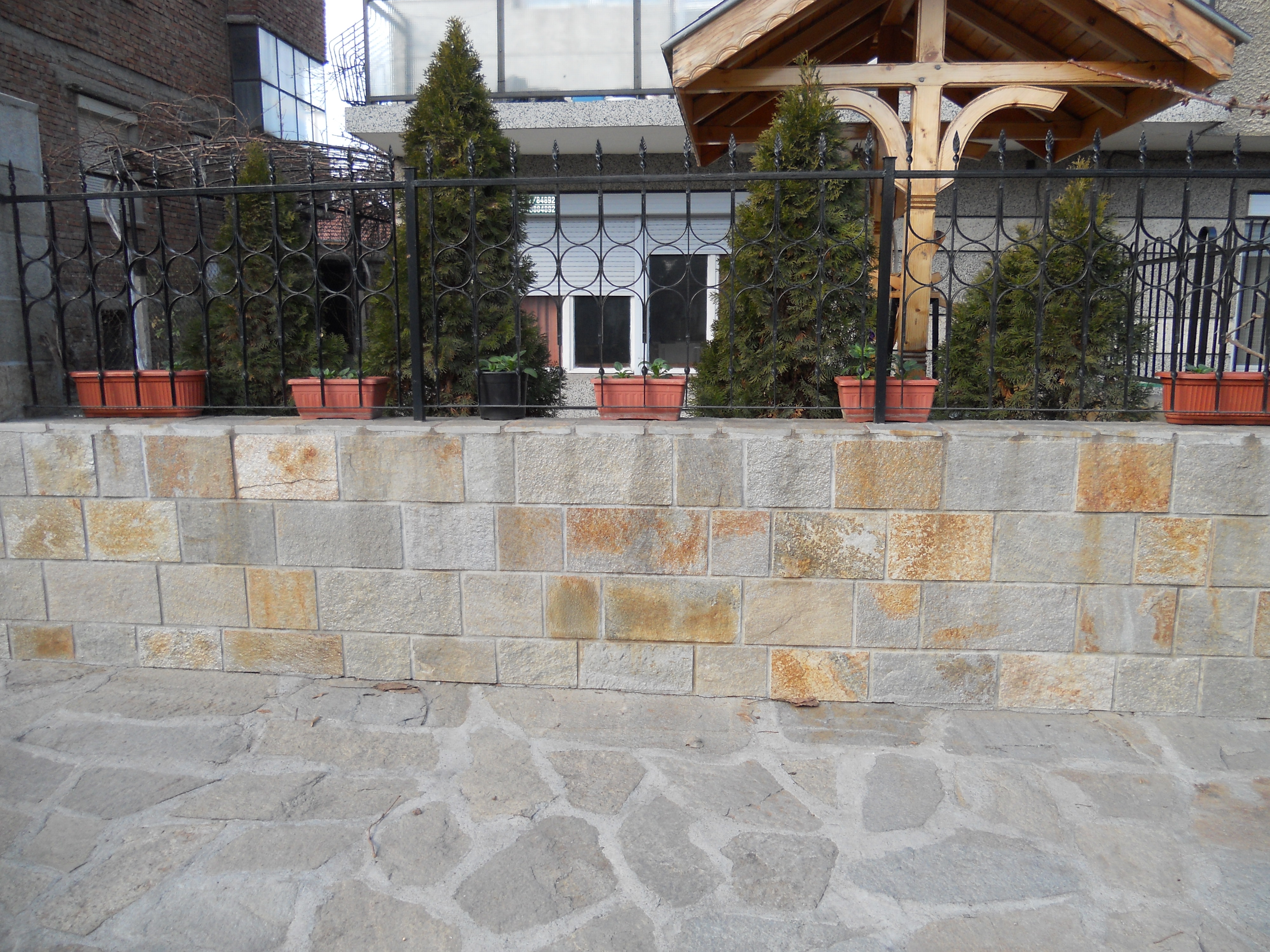
Where a façade combines insulation and stone cladding, select compatible materials and fixings for the complete system. Not every standard EPS system permits a heavy stone finish.
Manufacturers offer different façade systems. The following components are general examples, not a ready-made specification for stone cladding:
- Expanded polystyrene insulation boards (EPS), available in thicknesses such as 2-20 cm;
- Adhesive and base-coat compound for the polystyrene boards;
- Insulation anchors with plastic pins;
- Alkali-resistant glass fibre reinforcing mesh;
- Primer to improve adhesion, and other system components.
Stages of insulation installation
Stage 1: prepare the substrate and fix the insulation boards according to the approved system. The bonding method and waiting times cannot universally be assigned to a single day.
Stage 2: install reinforced and adhesive layers using the materials, thicknesses and times specified in the technical documentation.
For façade thermal insulation, coordinate the stone finish and all supports with the chosen system in advance.
Stage 3: determine the type, number and fixing of anchors and any mesh according to the design, substrate, weight and height. An arbitrary grid and a universal anchor count are not sufficient.
Stage 4: proceed with subsequent layers once the substrate is ready and checked. A sequence based on calendar days does not replace the required installation conditions.
Stone cladding
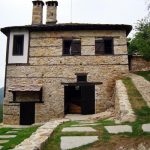
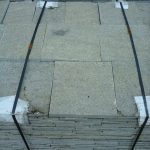
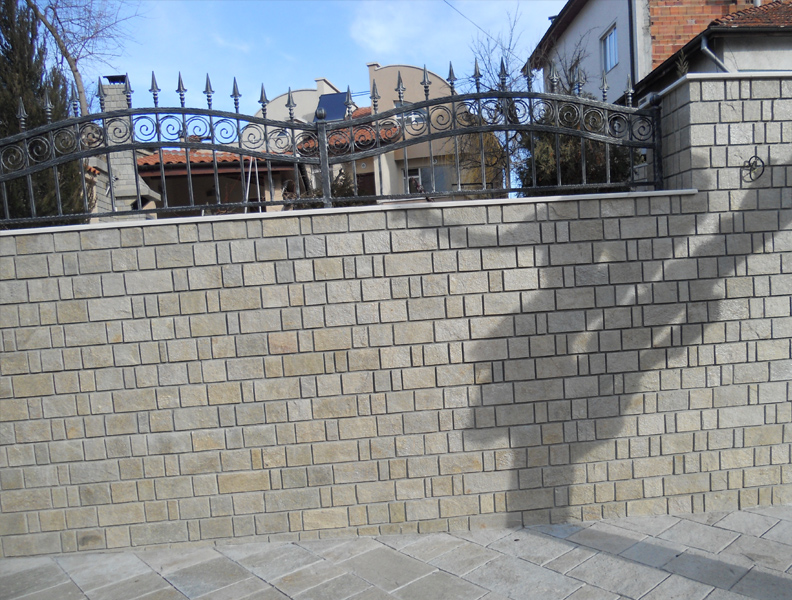 Ivaylovgrad gneiss, in sawn pieces or irregular slabs, is one option for stone cladding.
During house construction, plan the façade material and thickness alongside openings, thresholds and plinth details.
Sawn pieces offer regular dimensions and thicknesses, making them easier to arrange and helping with even adhesive distribution.
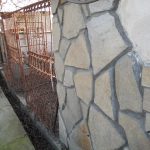
Irregular slabs vary in size and thickness, which makes installation more demanding and requires care with adhesive coverage.
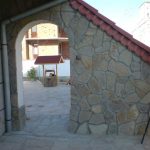
Balkan Construct installs stone cladding and paving with preparation and fixing suited to the particular project.
Preparing the stone before bonding
Thoroughly remove dust and other contamination that could affect adhesion.
Adhesive selection, contact coverage and any mechanical fixing must follow the technical data sheet and design. A 15-20 mm layer over galvanised mesh is not a universal method.
Ordinary joints between slabs and movement joints serve different purposes. Their positions and filling depend on the system; intervals of one metre vertically and four metres horizontally are not a general rule.
Remove adhesive before it dries
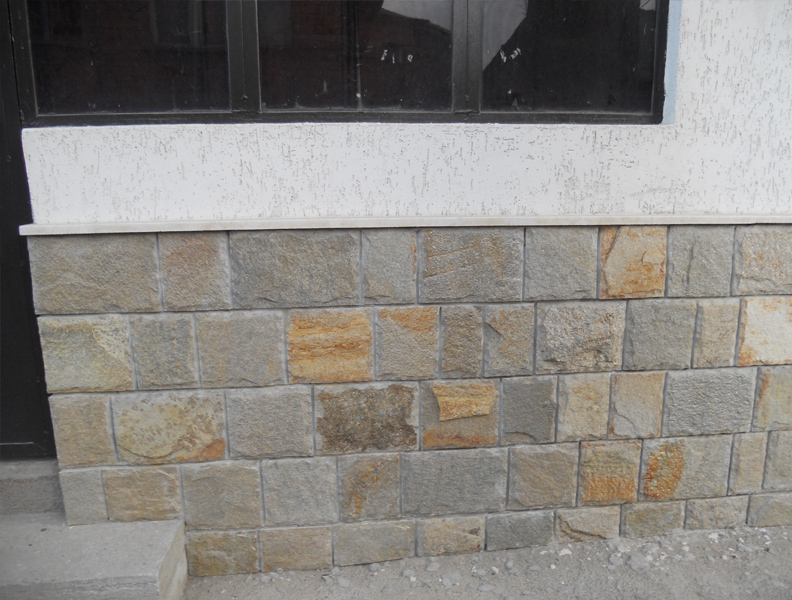 Timely cleaning can save considerable later work. Removing dried adhesive may scratch the stone and create another problem to resolve.
Follow manufacturer requirements
Follow the instructions for adhesives, grout and other components so that the stone is properly installed and the cladding can be enjoyed for years.

Measurements, photographs of the substrate and your chosen stone help with discussing the work. Establish the exact scope before installation.
Request a quote
For a stone cladding or paving installation, send us details of your project, its location and approximate area. We will discuss the preparation needed and the scope of work.